
AI agents, stablecoins and tokenized assets are moving from big ideas towards everyday use
Executive Summary & Overview
Across keynotes, panel sessions and product announcements examined how AI agents, tokenized assets and new payment infrastructure could be applied in financial services. Much of the discussion was grounded, focused on practical questions: how these technologies might fit into financial organisations’ architecture, how they can connect to existing systems, and what controls are needed around trust, security and regulation.
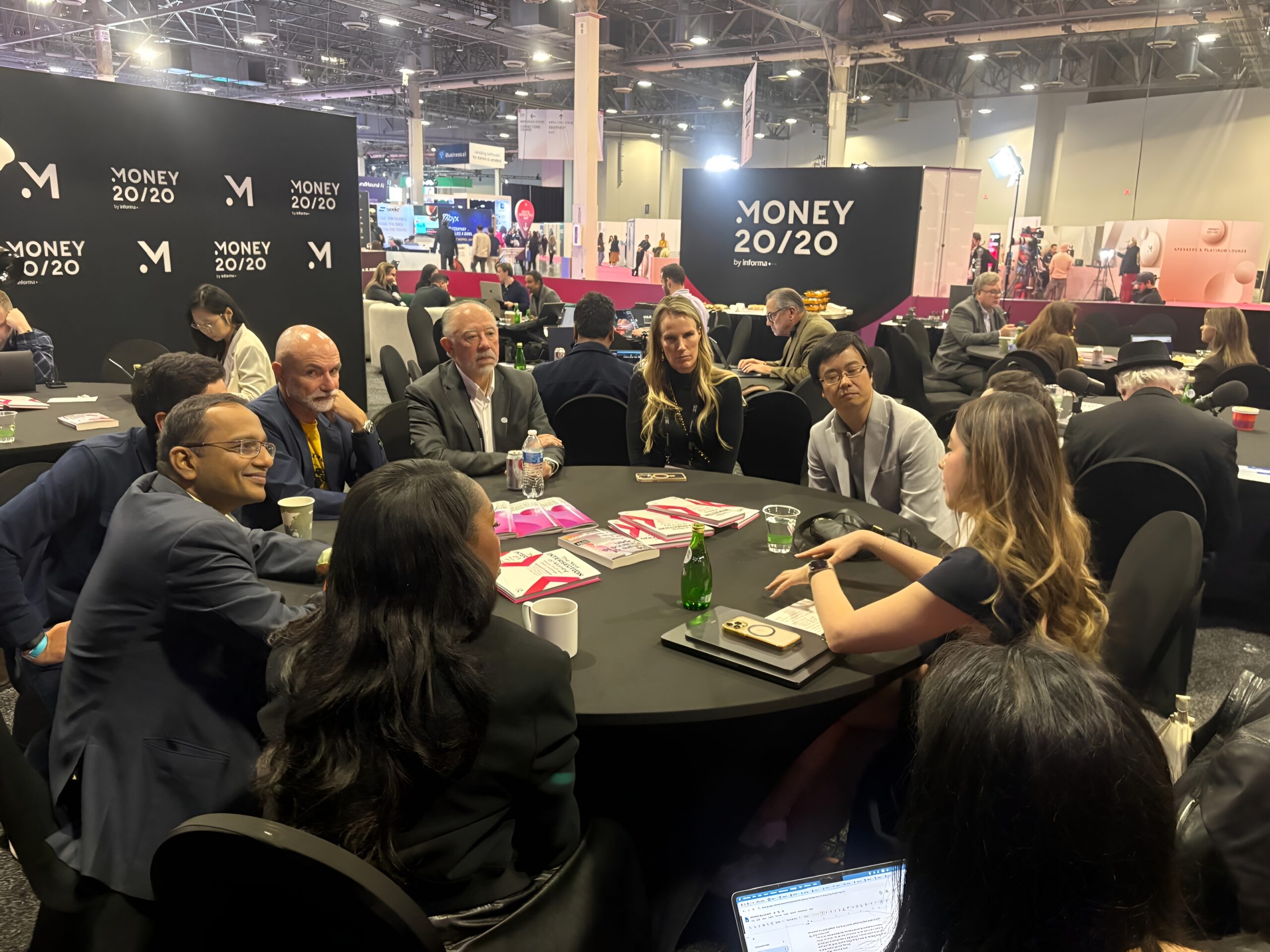
Held at The Venetian Resort in Las Vegas, the event brought together more than 11,000 attendees from more than 85 countries, representing over 3,000 companies, 450 sponsors and 350 speakers. Much of the 200 hours of agenda ranged from agentic AI and autonomous payments to fraud prevention, regulatory challenges and cross-border rails.
FTF perspective: Our reading of the event is that the industry is increasingly focused on implementation—what works today, not just potential. That shift brings questions about network access for digital assets, operational risk to agentic transactions, and whether the right governance approaches are in place for AI-led purchasing. As these technologies develop, the conversation is still raising important questions about accountability, control, security, and user experience—and how financial institutions choose to address these issues will shape how people interact with their money in the years ahead.

Agentic AI & The Intelligence Layer: How AI Is Rewriting User Experience
AI agents were a centerpiece of conversation, moving beyond simple chatbots to systems that can analyze data, make recommendations, carry out complex tasks, and interact with other software platforms. Panelists discussed how these agents operate within boundaries set by people or organizations: some perform specific roles under direct human supervision, while others operate with broader permission to initiate transactions on a user’s behalf.
During a session on the “Intelligence Layer: How AI Is Rewriting Banking,” Plaid CEO Zach Perret and Perplexity CEO Aravind Srinivas raised some important questions. Should consumers deal directly with banks, or rely on AI assistants for financial decisions? Who owns the customer relationship when an agent sits between the user and the financial provider? How are transactions authenticated, monitored, and governed when an agent is involved?
Both speakers pointed out that traditional banks have clear advantages: established trust and direct access to proprietary customer data. But as AI tools influence which products and services people choose, the dynamics of customer engagement could change.
Later in the week, PayPal CEO Alex Chriss, HP CEO Enrique Lores and Karen Webster of PYMNTS discussed how agentic AI could streamline everyday tasks—like booking travel or purchasing subscription services—if consumers trust the system. They stressed that for AI to handle legitimate payments, security, user consent, and clear standards are critical.
Other sessions featuring speakers from Citi, Mastercard, AWS, Anthropic, and Coinbase also explored how agentic AI might alter financial workflows. Some focused on smaller, immediate applications—like automating customer service or building basic internal software—while others looked at how autonomous agents might interact with each other in broader ecosystems.
In a session on computing capacity, Research Director Scott Meadows highlighted that early use cases for AI agents often involve managing internal resources, rather than customer-facing applications. The consensus among speakers was that while AI capabilities are advancing quickly, full autonomy will depend on addressing trust, safety, and operational reliability.

Tokenized Assets & Stablecoins: Moving to Real-World Scale
Tokenized real-world assets and stablecoins were among the most discussed topics. In an executive conversation featuring Stripe, Valinor, and Boston Consulting Group, speakers discussed how stablecoins—now processing trillions of dollars annually—are moving from crypto native applications to real-world commercial use.
Panelists including Chief Business Officer Vishal Aggarwal highlighted several current applications:
- On-chain settlement for cross-border trade, treasury operations, and money-market funds.
- Tokenized equities and real estate, bringing traditional assets onto digital networks.
- New payment rails: Visa’s partnership with Solana to allow eligible cryptocurrency balances to be spent at traditional merchant terminals using a Visa card.
Speakers emphasized that while digital asset infrastructure is strengthening, widespread adoption will require continued effort around interoperability, regulatory clarity, and user experience.
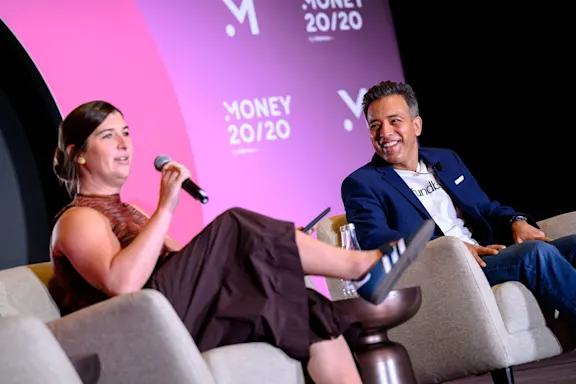
On StageFireside conversations put product leaders and investors side by side, with the discussion firmly on what is ready to ship.
Capital Markets: Improving Liquidity & 24/7 Access
A dedicated track examined how technology is changing capital markets, with participation from Alpaca, Citadel Securities, Coinbase, Kraken, Solana Foundation, and others. Key themes included:
- 24/7 Markets: Moving toward round-the-clock trading and settlement, matching the continuous operation of global digital asset markets.
- Reduced Settlement Times: T+0 and real-time settlement models to reduce counterparty risk and free up capital.
- Broader Access: Democratizing access to sophisticated financial instruments for both institutional and retail investors.
During a discussion on tokenized gold, World Gold Council CEO David Tait underlined the potential for digital gold to improve liquidity and transparency, provided trust and physical backing are maintained.
Fraud, Security & Compliance: Building Trust in an AI-Driven Economy
As technology evolves, so do security threats. Sessions featuring leaders from Socure, Sift, Evervault, Browser Stack, DataVisor, and Verafin focused on how machine learning and real-time analytics can help detect complex financial crime, identity theft, and synthetic fraud.
Investigators and executives highlighted:
- Adaptive Fraud Prevention: Using AI-driven models to identify dynamic threat patterns without creating friction for legitimate users.
- Cross-Industry Collaboration: Stronger operational information-sharing programmes between institutions to combat organized fraud networks.
- Lowering Churn: Ensuring friction-free verification processes to prevent drop-off during onboarding and checkout.
These themes reflected a shared priority: security solutions must evolve alongside new technologies to maintain trust across global digital financial channels.


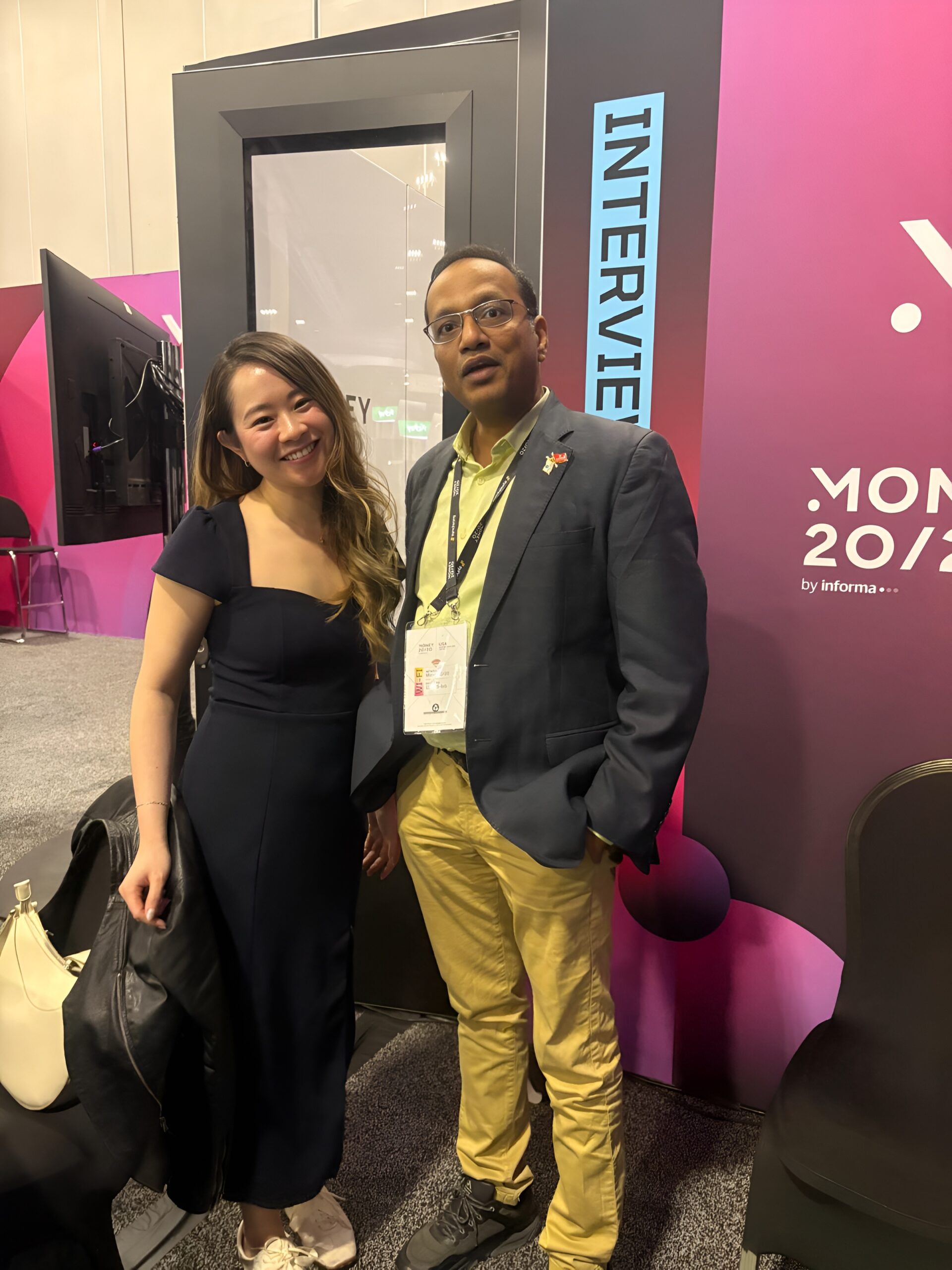
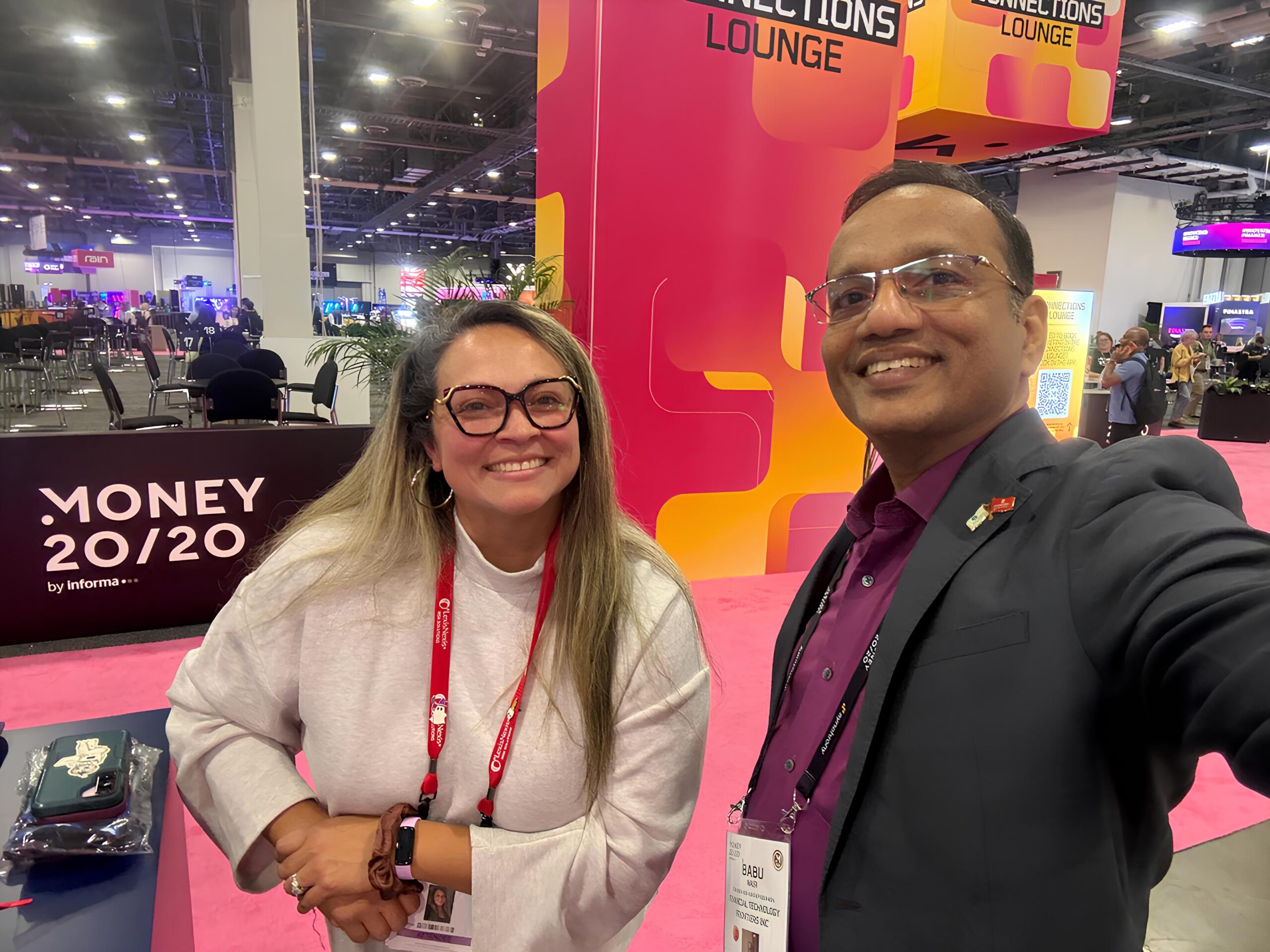
Where the Deals HappenFrom the Connections Lounge on the show floor to the evening receptions, much of the real business was done between sessions.
Policy, Fintech & Startup Ecosystems
The policy track featured regulatory insights, with discussions on open banking, open finance, digital identity, and global regulatory alignment. Speakers from Checkout.com, Omnipay, and regulatory bodies debated the balance between fostering innovation and maintaining financial stability.
Concurrently, startup pitches showcase new approaches to payments, privacy, and infrastructure:
- SOOHO.IO: Security and risk management for digital assets.
- Diam: Infrastructure for decentralized identity and privacy.
- Bolt: One-click checkout and merchant enablement.
- ZeroTier: Secure networking for distributed financial systems.
The startup track highlighted that while market conditions remain challenging, focused fintechs with clear paths to unit economics continue to attract investment.
Merchant Experience & Checkout Friction
Merchant sessions addressed the ongoing friction point: cart abandonment. Speakers from Samsung, BigCommerce, PNC Bank, and others explored methods to streamline checkout, including embedded finance, network tokenization, and pay-by-bank solutions.
PNC Chairman William Demchak, meanwhile, emphasized that while new technologies bring excitement, core banking fundamentals—trust, liquidity management, and risk governance—remain paramount. Good technology must serve practical business needs.
Key Takeaways
- From Pilot to Scale: Stablecoins and tokenized assets are demonstrating real commercial value, moving beyond proof-of-concept to institutional adoption.
- Agentic AI Is Coming, But Boundaries Matter: AI agents will redefine user interfaces, but trust, authorization, and accountability frameworks must lead deployment.
- Security & Infrastructure Must Keep Pace: Upgrading payment rails and adopting AI requires parallel investment in real-time fraud prevention, digital identity, and system interoperability.
Beyond the Sessions
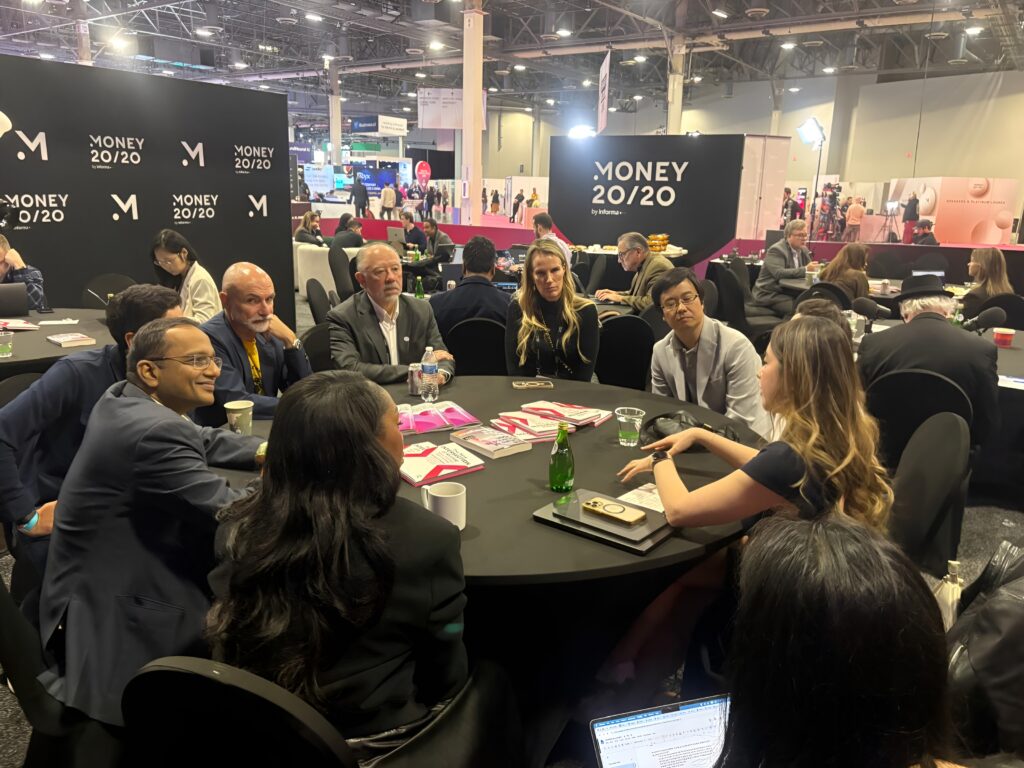
Money20/20 USA is as much about the community as the content. The week closed with the awards and a celebration that filled the venue.


The CommunityWinners mark the moment on the awards stage (left); attendees close out the week in Las Vegas (right). Images: Money20/20.