The company has introduced additional security controls, enhanced payment capabilities, and a unified API designed to help financial institutions and businesses deploy virtual card programs more efficiently.
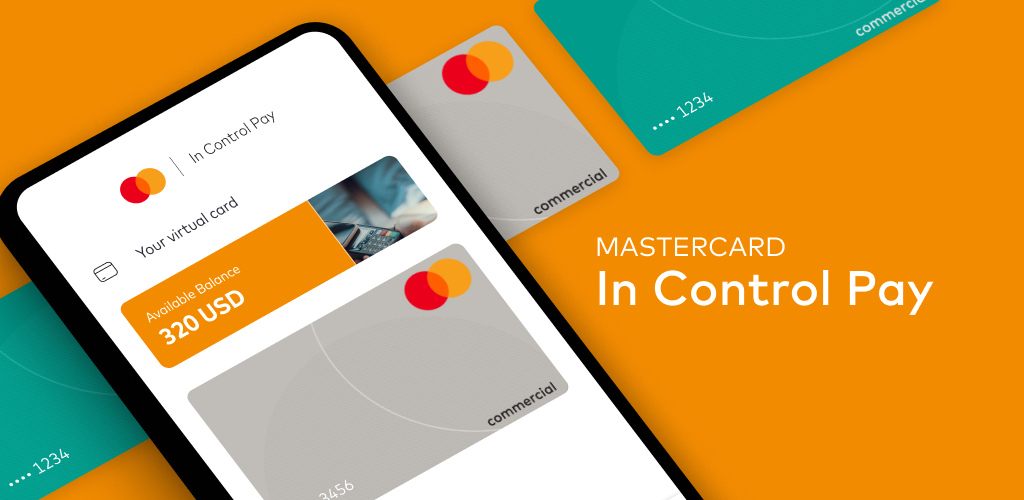
Mastercard has announced a major expansion of its virtual card platform, introducing new tools aimed at improving security, simplifying implementation, and helping organizations manage commercial payments at a larger scale. The enhancements are part of the company’s Mastercard In Control platform, which supports virtual card number (VCN) programs for enterprises, banks, and technology providers.
Among the new capabilities are Issuer Enforced Controls, which allow card issuers to establish predefined spending rules such as transaction limits, spending caps, and expiration periods—when a virtual card is created. Mastercard has also expanded its Clearing Controls, enabling organizations to validate transactions during the settlement process, block payments that fall outside policy, and apply more detailed payment management rules.
The company says these controls build on existing network protections, including tokenization, fraud monitoring, and cybersecurity technologies designed to reduce payment risk. Mastercard reports that fraud rates on virtual cards are significantly lower than those associated with traditional payment cards.
To simplify implementation, Mastercard has also enhanced its Commercial Connect API, allowing businesses to create virtual cards and initiate payments through a single integration. The updated platform also supports broader card management capabilities by enabling multiple control policies to be applied without exposing sensitive card credentials.
Mastercard said the improvements are designed to reduce integration complexity, accelerate deployment, and provide a more consistent experience for organizations expanding their virtual card programs.
The company also continues to broaden its embedded payments ecosystem. Since launching its embedded virtual card initiative in 2025, Mastercard says partners across enterprise resource planning (ERP), expense management, accounts payable, travel, healthcare, hospitality, and e-commerce platforms have joined the program. The approach allows virtual payment capabilities to be integrated directly into software businesses already use.
Mastercard also highlighted additional partnerships supporting virtual card adoption, including collaborations with SAP, HSBC, Emburse, and travel technology providers. These partnerships are intended to expand the use of secure virtual payments across a variety of commercial workflows and industries.
Key Takeaways
- Mastercard introduced new security and control features for its virtual card platform.
- New issuer and clearing controls provide stronger oversight throughout the payment lifecycle.
- A single API now enables simpler integration for virtual card issuance and payment initiation.
- Citi is the first issuer to deploy the new capabilities, with wider availability planned.
- Mastercard continues expanding embedded virtual payment partnerships across enterprise software and industry platforms.